Padma Shri Brigadier Gyan Singh Founder of MANGAT FARMS ESTD.1964

Soldier. Mountaineer. Institution builder. Educator. A lifetime dedicated to courage and adventure.

Read His Story
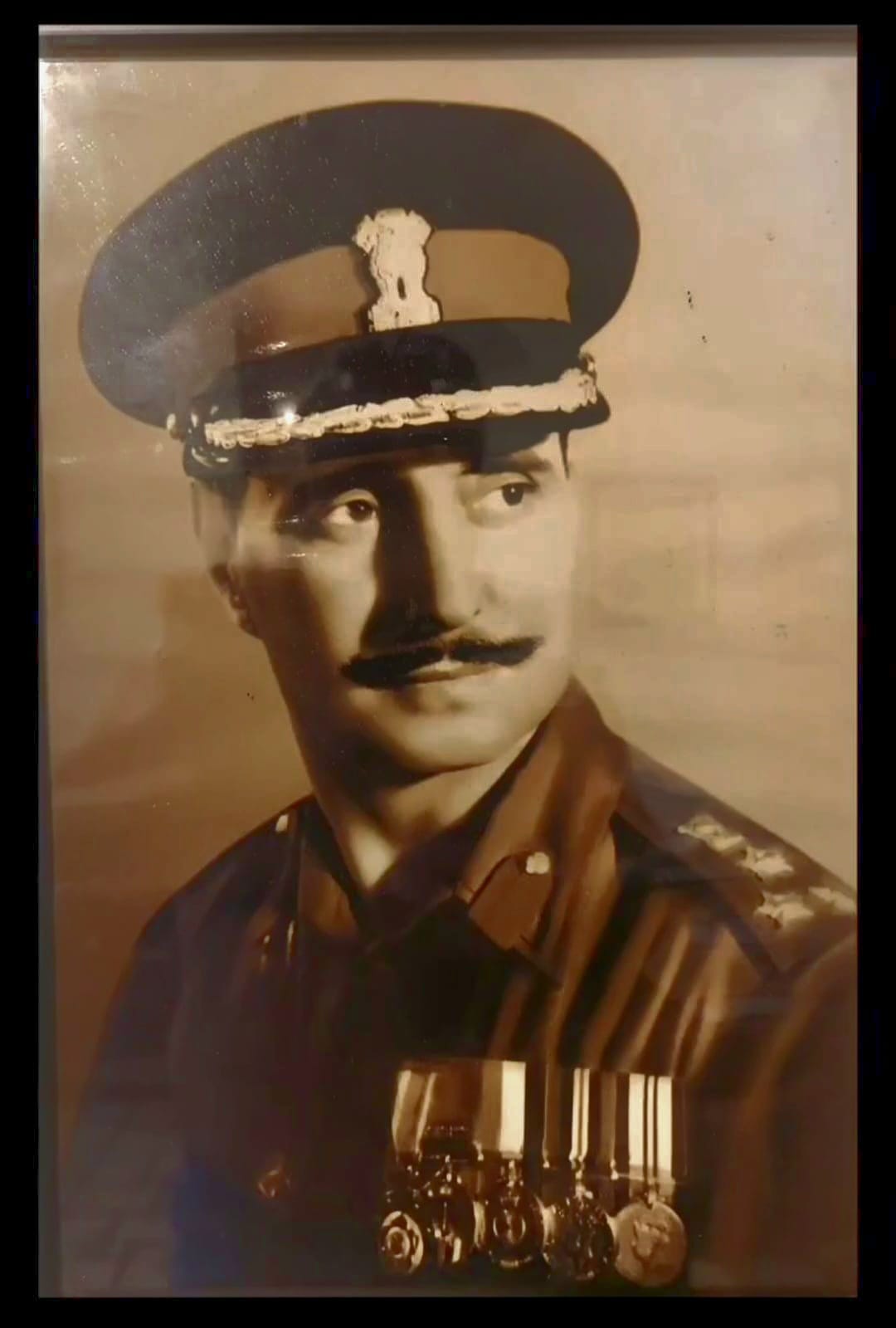
Archival profile of Brigadier Gyan Singh, Padma Shri
Archival profile of Brigadier Gyan Singh
Born 12 April 1916 A life of service and adventure
Commissioned July 1940 Regiment of Artillery
Everest Expedition 1960 India's first national attempt
Padma Shri 1961 Mountaineering and adventure

Brigadier Gyan Singh's life was a remarkable journey from serving as a young soldier in the Indian Army to becoming one of the leading figures in Indian mountaineering and adventure education. Through military leadership, historic expeditions, institution-building, writing and youth engagement, he helped shape India's adventure movement.

Born

Born on 12 April.

Entered the Indian Army

Joined as a Sowar (Jawan) in the 8th Cavalry in September, at the age of 20.

Commissioned as an officer

Commissioned into the Regiment of Artillery on 20 July.

Kashmir operations

Commanded the 11 Field Regiment.

High-altitude training

Raised and commanded the High Altitude Warfare School.

Principal of HMI

Served as Principal of the Himalayan Mountaineering Institute in Darjeeling.

India's first Everest expedition

Led the first Indian expedition to Mount Everest; severe weather forced the team to turn back only 700 feet below the summit.

Padma Shri

Awarded for his outstanding contribution to mountaineering and adventure.

Artillery Brigade Commander

Commanded two Artillery Brigades.

Retired from the Army

Requested voluntary retirement after nearly three decades of dedicated military service.

Founder Principal of NIM

Helped establish the Nehru Institute of Mountaineering in Uttarkashi.

Adventure education in Sri Lanka

Established and organised Sri Lanka's National Academy of Adventure in Kandy.

National Adventure Foundation

Established the Foundation and later served as its Vice President.

Snow-covered Himalayan mountain range

India's first Everest campaign

In September 1959, the Government selected Brigadier Gyan Singh to lead India's first Mount Everest expedition. The team departed in March 1960 and included future legends of Indian mountaineering.

The climbers reached approximately 700 feet below the summit before severe weather forced them to turn back. Although the expedition did not reach the summit, it demonstrated that Indian climbers possessed the skill, endurance and organisation required for Everest.

The pioneering effort laid the foundation for India's historic successful Everest ascent in 1965.

700 ft below the summit before the expedition turned back
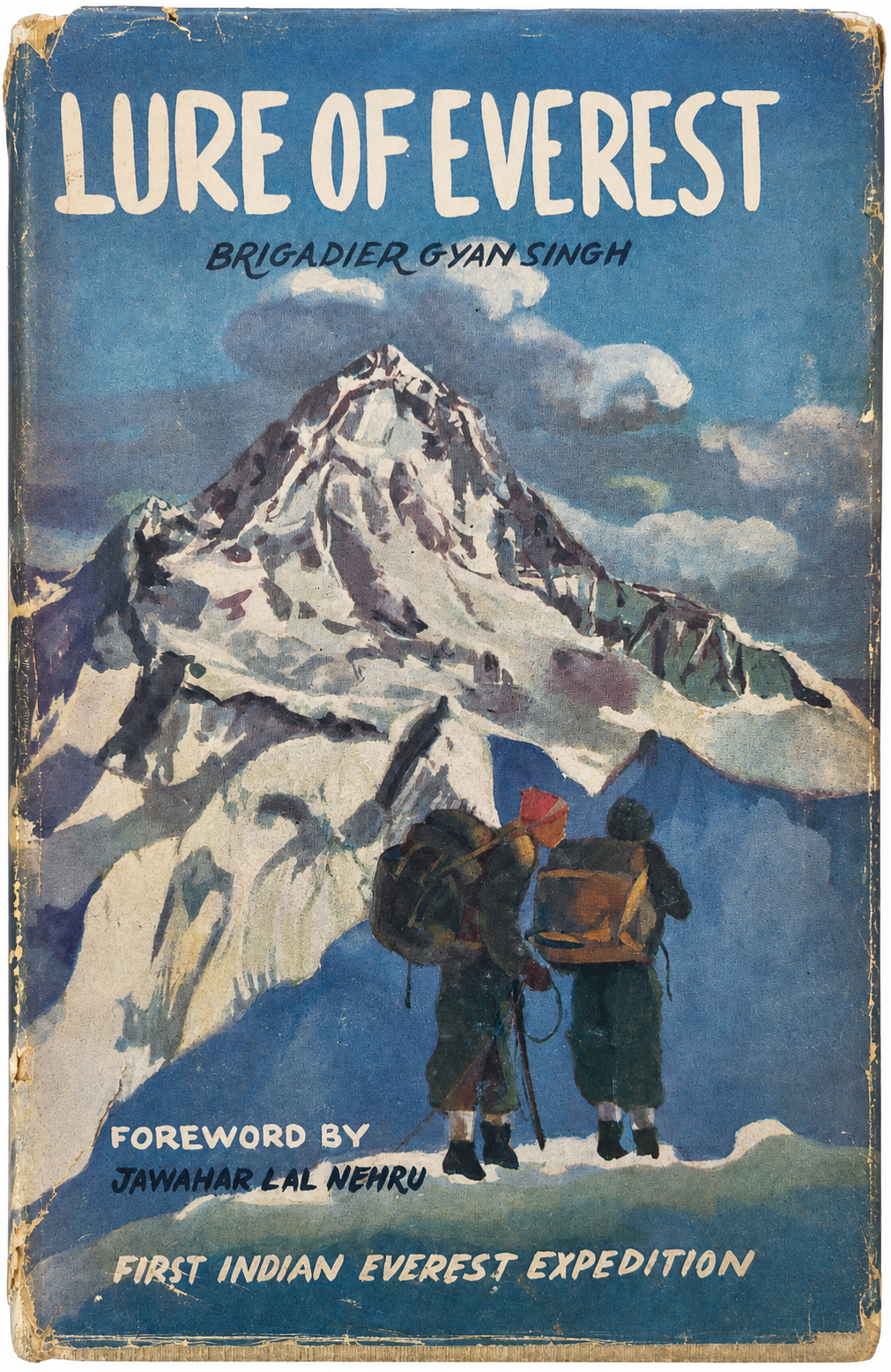
Restored cover of Lure of Everest by Brigadier Gyan Singh
Lure of Everest
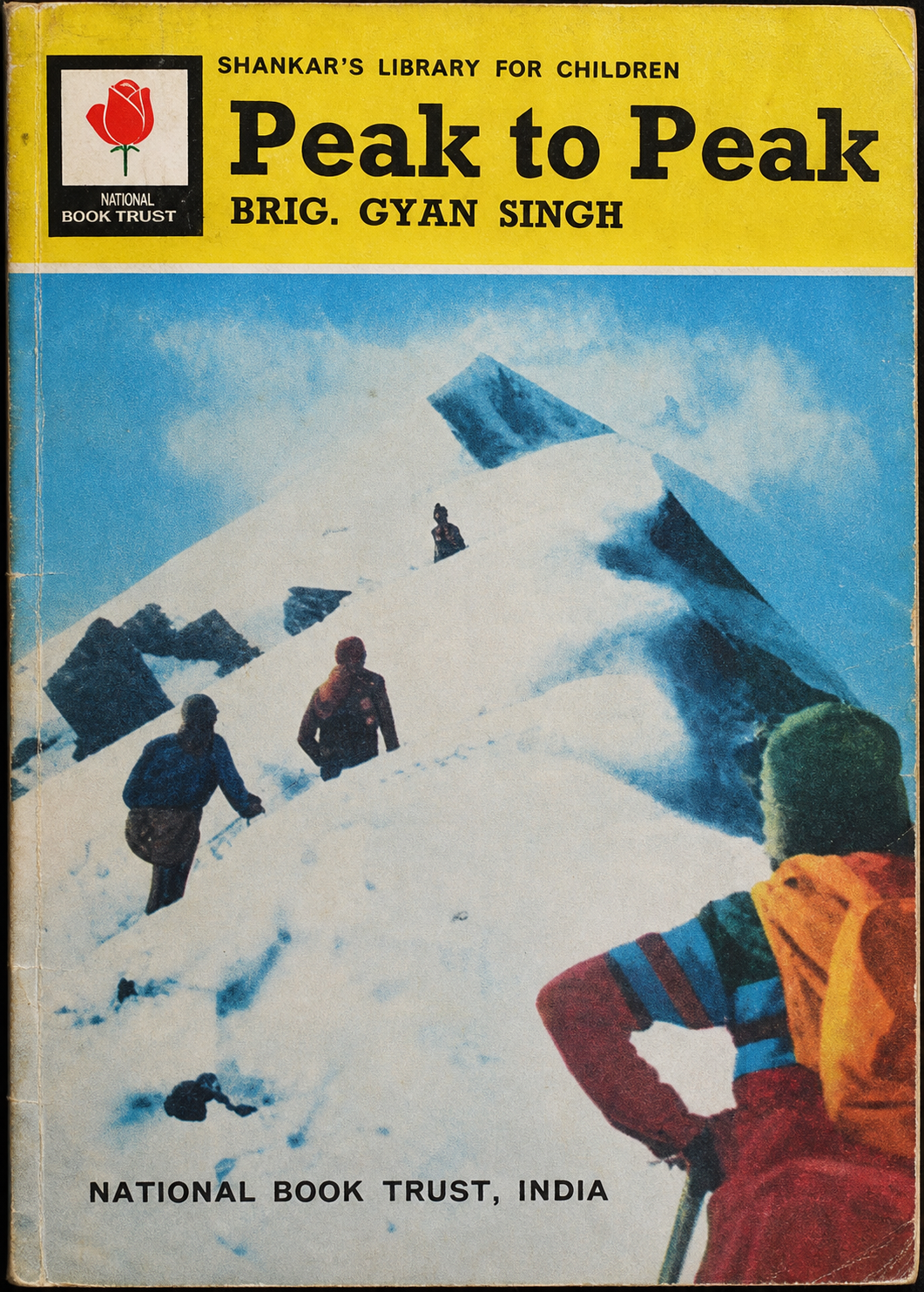
Restored cover of Peak to Peak by Brigadier Gyan Singh
Peak to Peak

Recording a pioneering chapter of Indian history

Brigadier Gyan Singh documented the challenges, teamwork and achievements of the 1960 expedition in his book Lure of Everest: Story of the First Indian Expedition.

The book carried a foreword by Prime Minister Jawaharlal Nehru, India's first Prime Minister. He also wrote several other books and collaborated with Everest summiteer Bachendri Pal on My Journey to the Top.

As an educator, he delivered nearly 800 illustrated lectures to young audiences across India, Sri Lanka, Nepal and several European countries. Through these sessions, he shared his experiences, encouraged young people to face challenges and introduced them to mountaineering and adventure.

More than 51 of his articles were published in national newspapers, journals and magazines, extending his contribution to adventure education far beyond the training institutes.

  • Lure of Everest, with a foreword by Pandit Jawaharlal Nehru
  • Co-author with Bachendri Pal of My Journey to the Top
  • Nearly 800 illustrated lectures and more than 51 published articles

Discover the story behind the legacy

Watch the journey of Brigadier Gyan Singh and learn how his pioneering spirit helped shape India's early mountaineering and adventure movement.